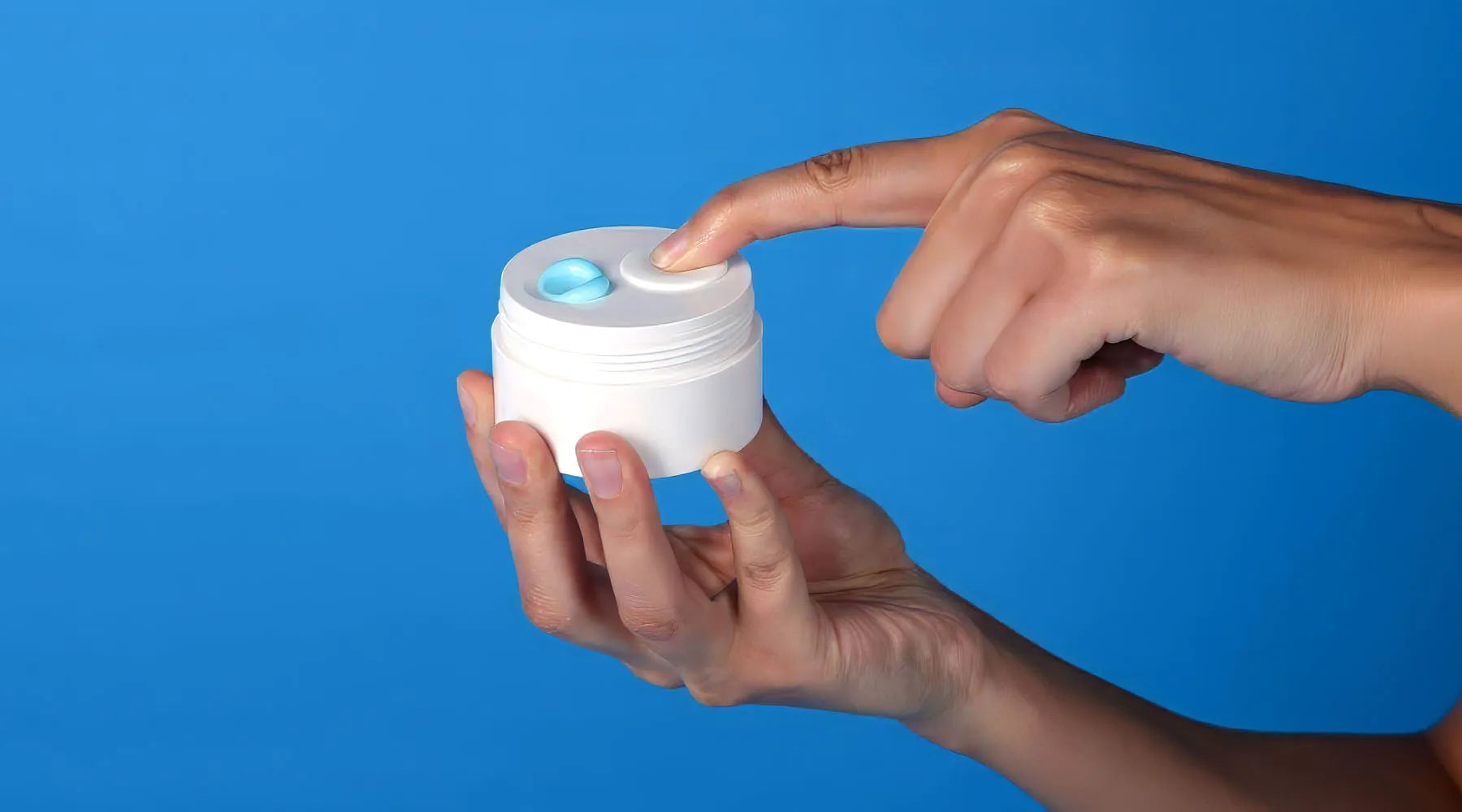
Article: Your 2026 Guide to Sustainable Cosmetic Packaging: Materials, Trends, & Options
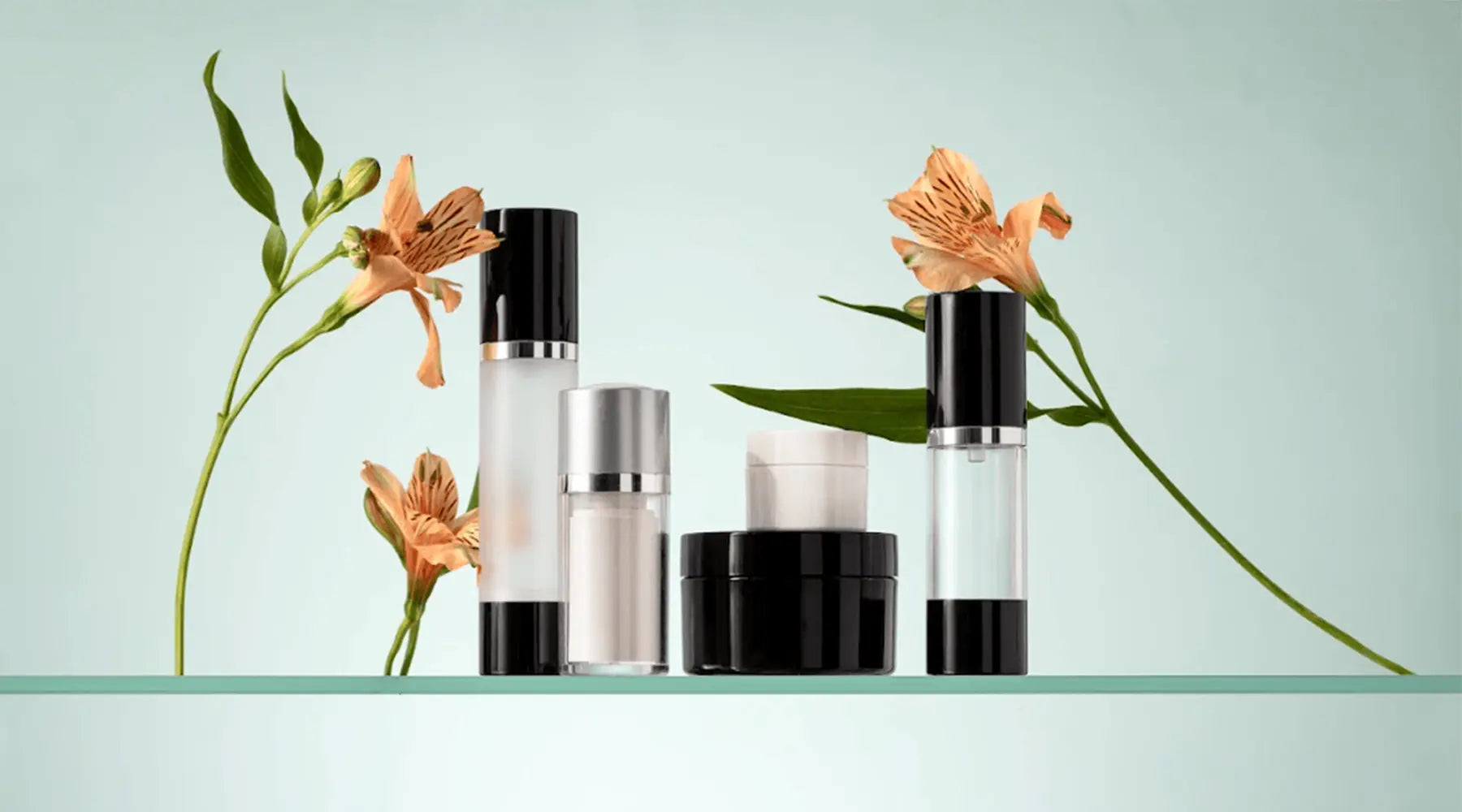
Your 2026 Guide to Sustainable Cosmetic Packaging: Materials, Trends, & Options
The cosmetic packaging landscape is undergoing a fundamental shift in 2026. What was once a niche differentiator has become a baseline expectation — from the brands building product lines to the consumers purchasing them. Sustainability now shapes sourcing decisions, shelf presence, and brand credibility in ways that simply cannot be ignored.
For beauty brands at every stage of growth, this shift raises practical questions: Which materials are actually recyclable? What is the difference between PCR and mono-material packaging? Does sustainable packaging compromise performance? And how do you find the right wholesale options without navigating overseas lead times or excessive minimums? This guide answers those questions directly.
Why Sustainable Cosmetic Packaging Matters More Than Ever in 2026
According to Shorr Packaging's 2026 Sustainable Packaging Trends Report, 90% of shoppers are more likely to purchase from brands that offer sustainable packaging, and 54% have deliberately chosen products based on eco-friendly packaging in the past six months. Nearly one in three consumers has switched to a competing brand specifically because it offered more sustainable packaging options.
According to Woola, these are not marginal preferences. More than half of Millennials (59%) and Gen Z (56%) have consciously purchased products with sustainable packaging in the past six months, and 73% of Gen Z consumers say they are willing to pay a premium for it. Even Gen X (52%) and Boomers (49%) are making sustainability-informed packaging choices.
Regulatory pressure is reinforcing this shift. Extended Producer Responsibility (EPR) laws have been enacted in multiple U.S. states — including California, Oregon, Colorado, and Maine — requiring producers to fund and manage the recycling of their packaging. California's SB 54 establishes recycled content minimums for single-use packaging, while the EU's Packaging Regulation (EU 2025/40) sets binding sustainability and labeling requirements beginning in 2026. Brands sourcing packaging today need to consider not only current standards but the direction of regulatory travel.
The global beauty packaging market is projected to grow from $38.2 billion in 2025 to $59.8 billion by 2034, with the sustainable segment expanding at an even faster rate. The bottom line? More sustainable options are available at wholesale scale now than at any previous point in the industry's history.
Understanding the Core Materials in Sustainable Cosmetic Packaging
Not all "eco-friendly" packaging claims are equal. Understanding the material science behind sustainable options allows brands to make decisions grounded in performance and genuine environmental benefit rather than marketing language.
Post-Consumer Recycled (PCR) Polypropylene
- Plastic that has been used by consumers, collected, and reprocessed into new resin — distinct from post-industrial (PIR) scrap, which is a weaker sustainability claim
- Reduces virgin plastic demand, lowers greenhouse gas emissions, and diverts waste from landfills
- Approximately 65% of beauty brands have reduced virgin plastic output since 2018 by increasing PCR use
- Available at 50%+ content in airless pump bottles, single-wall jars, and lotion pumps
- Slight color variation and modest cost premium are the main tradeoffs, but neither affects product performance
Looking for reliable, high-quality PCR packaging for your brand? Shop our best-selling Impact Collection.
Mono-Material Construction
- Every component — bottle, pump, cap — is made from the same material type (e.g., all polypropylene)
- Traditional airless pumps mix metal springs, glass balls, and multiple resins, making the whole unit unrecyclable; mono-material eliminates this problem
- The complete unit enters standard PP recycling streams without any consumer disassembly
- Mono-material airless bottles with PCR content represent the most advanced sustainable option at wholesale scale today
Cosmetic Packaging Now's Pure Collection offers top-of-the-line mono-material packaging for beauty, skincare, and cosmetic brands.
Glass
- Infinitely recyclable; premium aesthetic; excellent barrier properties for sensitive formulas
- Best suited to luxury skincare, fragrance, and serum products
- Significantly heavier than plastic — can increase shipping carbon footprint and freight costs
- Fragility creates breakage waste in transit; less practical for e-commerce or high-volume wholesale
Aluminum
- Among the most recyclable materials available; highly durable
- Gaining traction in refillable formats — deodorant, balm, and body care in particular
- Not yet widely available at wholesale scale for standard cosmetic formats (jars, airless bottles, tubes)
- A growing area of innovation worth watching for future sourcing
A Practical Comparison
| Material | Recyclability | Sustainability Benefit | Key Practical Considerations | Best Suited For |
| PCR Polypropylene (PP) | High – standard PP streams | Reduces virgin plastic demand; diverts consumer waste | Slight color variation; modest cost premium | Airless bottles, cosmetic jars, lotion pumps |
| Mono-Material PP | High – full unit recyclable, no disassembly | Eliminates multi-material recycling barrier | Requires specialized engineering from an expert wholesale cosmetic packaging company | Airless pump systems, complex dispensers |
| Virgin Polypropylene | High – standard PP streams | Durable and recyclable; no recycled content | Relies entirely on virgin fossil fuels | Standard cosmetic packaging |
| Glass | High – glass streams | Infinitely recyclable; premium perception | Heavy; high freight footprint; fragile | Luxury skincare, fragrance, serums |
| Aluminum | Very High | Ideal for refillable systems | Less available in standard cosmetic formats | Refillable body care, balms |
The Most Dominant Trends Shaping Eco-Friendly Cosmetic Packaging in 2026
- Mono-material and PCR options are blending. The most forward-looking sustainable packaging now combines both attributes: PCR content in a mono-material construction. This addresses the two primary sustainability concerns simultaneously: reducing virgin plastic input and ensuring the final package can actually be recycled. Brands that adopt this approach are well-positioned for both current consumer expectations and upcoming regulatory requirements.
- Airless technology is becoming the standard for skincare. The clean beauty movement has driven demand for formulas with fewer synthetic preservatives, which requires packaging that protects against oxidation and contamination. As airless packaging becomes available in sustainable materials, the performance and sustainability cases reinforce each other.
- Minimalist design is reducing packaging waste at the source. Consumer research shows that 61% of shoppers value minimal packaging as a sustainability attribute, driving a reduction in unnecessary secondary components and complex multi-layer constructions that complicate recycling.
- Refillable formats are growing but remain a longer-term play. Nearly 70% of American consumers report that in-store refilling is inconvenient, and adoption lags behind awareness. For most brands in 2026, refillable formats are a strategic consideration for the future rather than an immediate operational priority.
- Regulatory compliance is becoming a sourcing criterion. As EPR laws expand, brands are evaluating suppliers not just on price and aesthetics but on their ability to provide packaging that meets current and anticipated compliance requirements. Mono-material and PCR options are increasingly favored by these frameworks.
How to Choose Sustainable Packaging for Your Cosmetic Brand
The right sustainable packaging depends on the intersection of three factors: the formulation being packaged, the brand's aesthetic and positioning, and the operational realities of sourcing and fulfillment.
For serums, actives, and sensitive skincare formulas, airless pump bottles are the highest-performing option — preventing oxidation, extending shelf life, and delivering precise dosing.
For creams, moisturizers, masks, and balms, single-wall jars in PCR polypropylene offer a durable, recyclable alternative to heavier glass or multi-material acrylic options — lighter to ship, less prone to breakage, and compatible with standard PP recycling streams.
For lip gloss and color cosmetics, tubes and applicator containers present the most complex recycling challenges due to their small size and mixed-material construction. Brands should look for simplified, single-material designs that reduce unnecessary components.
For toners, setting sprays, and mists, fine mist spray bottles in PP offer a recyclable and lightweight option increasingly available in minimalist designs that align with clean beauty aesthetics.
Beyond format and material, the sourcing relationship matters. Partnering with a wholesale cosmetic packaging supplier that ships from domestic U.S. inventory eliminates the carbon footprint of overseas freight and removes lead time uncertainty.
Ready-to-ship eco-friendly collections incorporating 50% PCR content and mono-material construction are now available at wholesale scale, making sustainable packaging accessible to brands at every stage of growth.
How to Avoid Greenwashing
As sustainability claims continue to increase, the risk of greenwashing has become a meaningful brand liability. Consumers are increasingly skeptical, and 70% prefer packaging with clear, specific sustainability labels. The most credible claims are specific and verifiable:
"Made with 50% post-consumer recycled polypropylene" is substantive. "Eco-friendly" without qualification is not.
"Fully recyclable mono-material construction" is meaningful. "Sustainable packaging" alone is not.
Brands should communicate their packaging choices with precision — specifying PCR percentage, material type, and recyclability pathway — to build consumer trust and avoid regulatory scrutiny.
Frequently Asked Questions
What is the difference between PCR and recyclable packaging?
PCR and recyclable packaging are related but separate concepts. Recyclable packaging can be recycled at the end of life. PCR packaging is made from materials that have already been recycled, meaning it contains post-consumer recycled content. The most sustainable packaging is both: made with PCR content and designed to be recycled again at end of life.
Are mono-material airless bottles as effective as traditional airless pumps?
Yes. Modern mono-material airless pump engineering delivers the same formula protection and dispensing performance as traditional multi-material systems. The difference is that the entire unit (bottle, pump, and cap) is made from a single polymer, making it fully recyclable without disassembly.
What does "no minimum order quantity" mean for sustainable packaging sourcing?
It means brands can order as few units as needed without a large minimum commitment — particularly valuable when testing new sustainable formats, managing cash flow during a product launch, or scaling incrementally without excess inventory risk.
Is glass more sustainable than PCR plastic for cosmetic packaging?
Not necessarily. While glass is infinitely recyclable, it is significantly heavier than plastic, increasing the carbon footprint of shipping. For e-commerce brands or those with high shipping volumes, PCR polypropylene often has a lower overall lifecycle environmental impact than glass, particularly when the PCR content is high and the packaging is designed for recyclability.
Make Strides for Sustainable Packaging with Cosmetic Packaging Now
Sustainable cosmetic packaging in 2026 is not a trend — it is the new standard. Brands that approach packaging decisions with a clear understanding of materials, formats, and the operational factors that determine real-world sustainability will be better positioned to meet consumer expectations, navigate regulatory requirements, and build lasting brand credibility.
The most impactful choices combine post-consumer recycled content with mono-material construction, prioritize formats that protect formula integrity, and come from suppliers who can deliver without friction. Cosmetic Packaging Now offers high-quality PCR and mono-material options with no minimums, no overseas wait times, and fast U.S. shipping. Whether you're launching your first product or scaling an existing line, we make it easy to source sustainably without compromise.